
.png)
Two Modes of Lending AI: Balancing Touchless Automation and Human-Driven Underwriting

In the push toward digital transformation, many lending systems are designed with a single objective: maximize automation. While automation improves speed and reduces cost, applying one uniform decisioning approach across all credit scenarios is fundamentally flawed.
A ₹50,000 micro-loan and a ₹50 lakh corporate exposure are not comparable. They differ drastically in risk profile, structural complexity, and the depth of scrutiny required. Treating them the same introduces severe operational inefficiencies and weakens institutional risk controls.
The future of lending AI lies in adaptive decisioning—where automated algorithms and human judgment operate together within a unified ecosystem like Hobbiate.
The Two Operating Realities of Digital Lending
Modern financial platforms operate across two distinct environments, each demanding a tailored technical approach:

1. Touchless Small-Ticket Lending
Small-ticket retail and micro-loans rely on speed and sheer volume. Success in this segment requires:
High processing speed to capture digital-first consumers.
Operational efficiency that keeps customer acquisition costs (CAC) low.
Consistent decisioning driven by strict algorithmic risk parameters.
When borrower data is complete and aligns with pre-set policy rules, decisions must execute automatically with zero human intervention. The objective is straight-through processing (STP): approve, reject, or refer—fast and accurately.
2. Human-Driven Large-Ticket Underwriting
Commercial loans and high-value exposures operate under completely different constraints. Here, the priority shifts from raw speed to accuracy, defensibility, and contextual judgment.
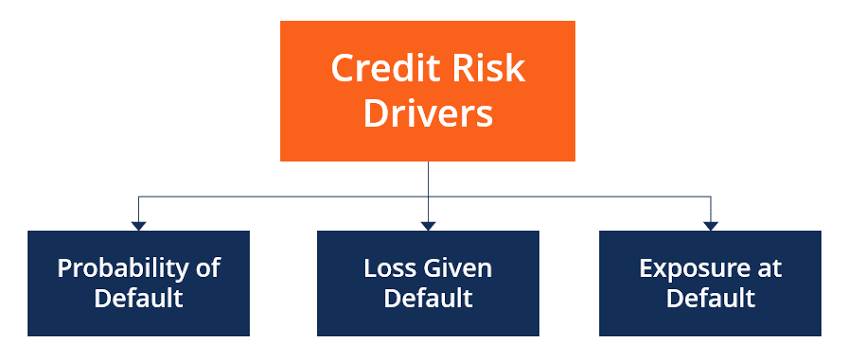
These complex applications demand:
In-depth financial evaluation across unstructured data (audited reports, GST filings, cash-flow projections).
Identification of subtle inconsistencies that automated rule engines miss.
Careful risk interpretation tailored to broader economic and sector conditions.
In these high-stakes scenarios, AI should act as an intelligence co-pilot—extracting insights, flagging red flags, and structuring data—while final credit approval remains firmly with experienced human underwriters.
Bridging the Gap: The Hybrid Decisioning Framework
To achieve both scale and risk precision, Hobbiate empowers lenders with a hybrid architecture that dynamically routes loans based on value and risk complexity.
Metric / Dimension | Touchless Small-Ticket Mode | Human-Driven Large-Ticket Mode |
Primary Goal | Turnaround speed & cost efficiency | Risk mitigation & deal structuring |
AI Role | Autonomous decision maker | Decision support co-pilot |
Data Sources | API integrations, credit bureaus, bank statements | Full financial audits, collateral reports, qualitative site visits |
Underwriting Cost | Minimal (fixed platform cost) | High (expert human hours required) |
Exception Handling | Automated rejections or instant referrals | Iterative risk mitigation & covenant adjustment |
Building a Scalable and Responsible Credit System
A single-mode AI architecture forces lenders into an uncomfortable compromise: either slow down small loans with unnecessary manual oversight, or expose large portfolios to unvetted algorithmic risk.
Adopting an adaptive, two-mode lending AI platform delivers three core benefits:
Scalability without headcount growth: Automating low-risk, small-ticket loans allows underwriters to focus entirely on high-value portfolios.
Reduced Default Rates: Deep-dive human review backed by AI insights catches nuanced risk markers in large exposures before capital is deployed.
Regulatory Defensibility: Maintains a clear audit trail where high-exposure decisions retain human accountability, satisfying central bank oversight requirements.
By pairing automated algorithms for speed with human expertise for judgment, platforms powered by Hobbiate construct a resilient credit operational framework built for long-term growth.
Comments